● INSIGHTS
Engineering deep dives
Engineering choices succeed or fail at operational boundaries, not feature lists. This hub examines RAG architecture, agent interfaces, and SNI/ECH through implementation, security, and production trade-offs.
● RECOMMENDED READING
From implementation choices to operating boundaries
Follow the newest-first list: begin with agent readiness across systems and organizations, continue to the SNI/ECH control boundary, then make the implementation trade-offs concrete with the RAG build-versus-buy comparison.
 Change the model or fix the prompt? An LLM selection evaluation on 200 production recordsEngineering deep dives · August 8, 2026We compared six configurations built from three models and three prompt stages on 200 production records without labeled ground truth. A model change added 14 percentage points of proxy agreement; a prompt revision added 37. The selected configuration costs $7.20 per month.→
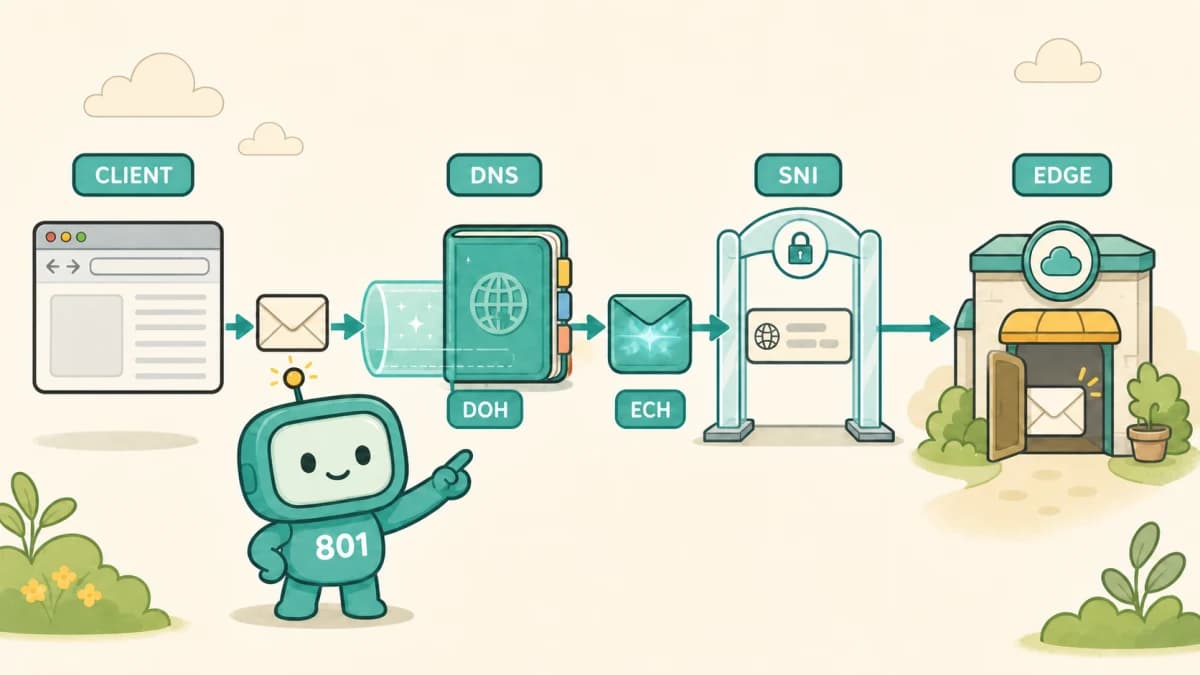 Where does website blocking happen? Reading DNS, SNI, and CDN controlsEngineering deep dives · Updated July 18, 2026Map South Korean website controls across DNS, IP, SNI, and CDN layers, with July 2026 DoH, DoT, and ECH support and international cases.→
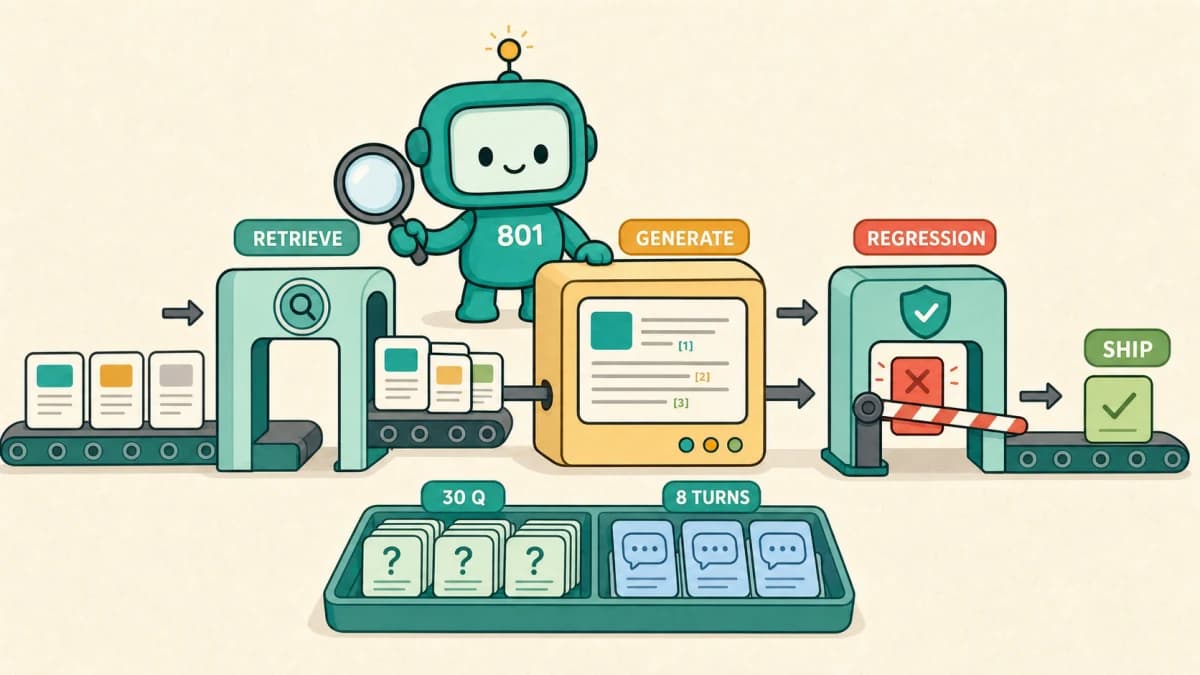 How do we evaluate RAG? A regression suite built from 30 questions and 8 follow-up setsEngineering deep dives · July 17, 2026We used 30 questions and 8 follow-up sets to isolate retrieval, grounded generation, and conversation context, then turn the results into RAG release gates.→
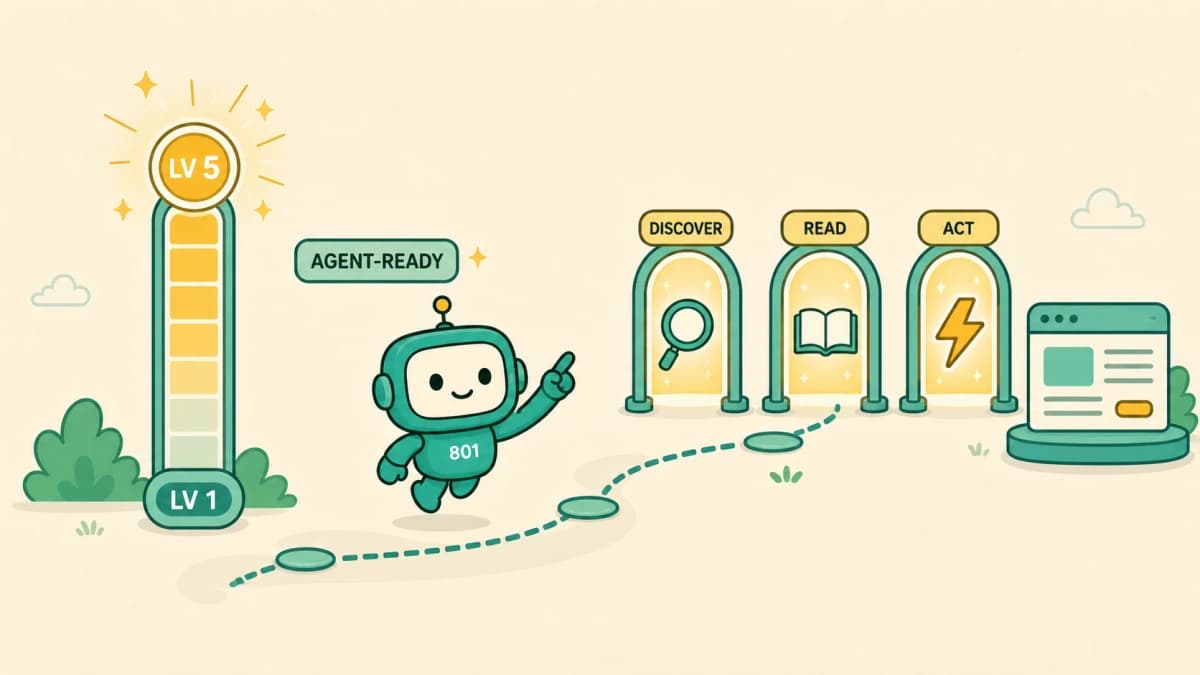 Should you chase an agent-readiness score? From Level 1 to Agent-NativeEngineering deep dives · Updated July 16, 2026isitagentready.com scored our site 29, Level 1. Instead of filling the scorecard, we filtered by substance: Content Signals, markdown negotiation, a real MCP server, DNS-AID and DNSSEC — reaching 71, Level 5 (Agent-Native). And a hard look at what agent scores actually measure.→
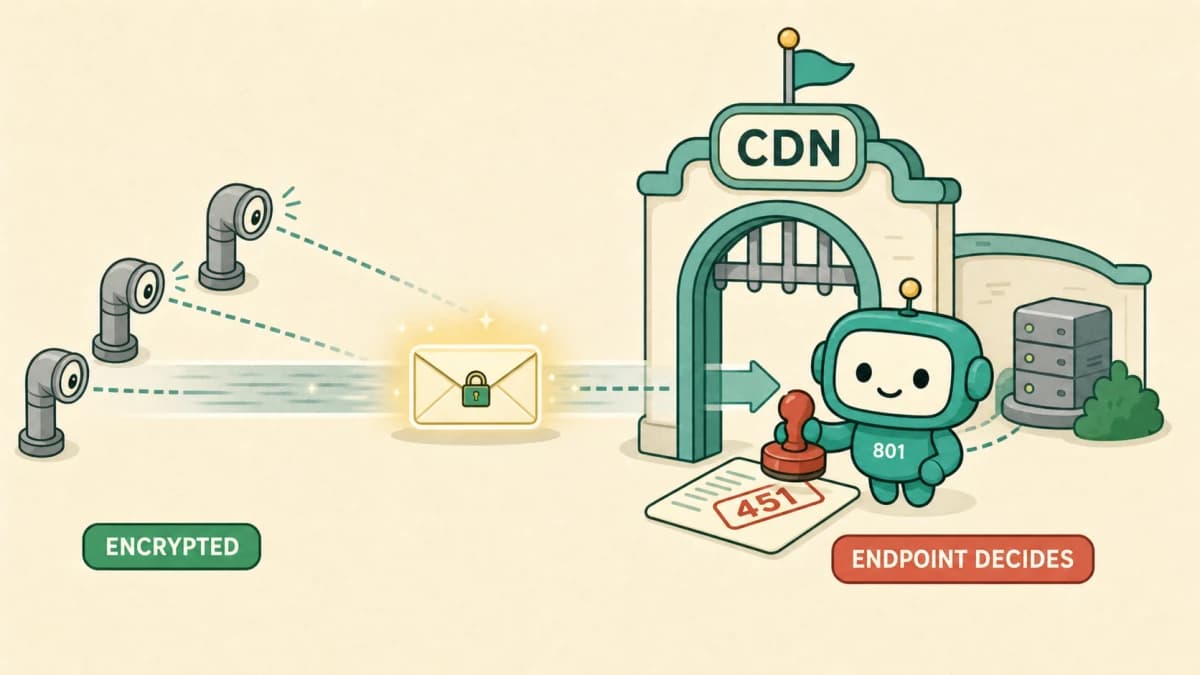 Does encrypting SNI put traffic beyond control? Hiding ends at the CDNEngineering deep dives · Updated July 16, 2026ECH hides the destination domain from observers on the path, but it cannot change the policy decision of the endpoint that decrypts it: the CDN. How SNI and ECH work, which network layer controls what, and how the failure fingerprints differ.→
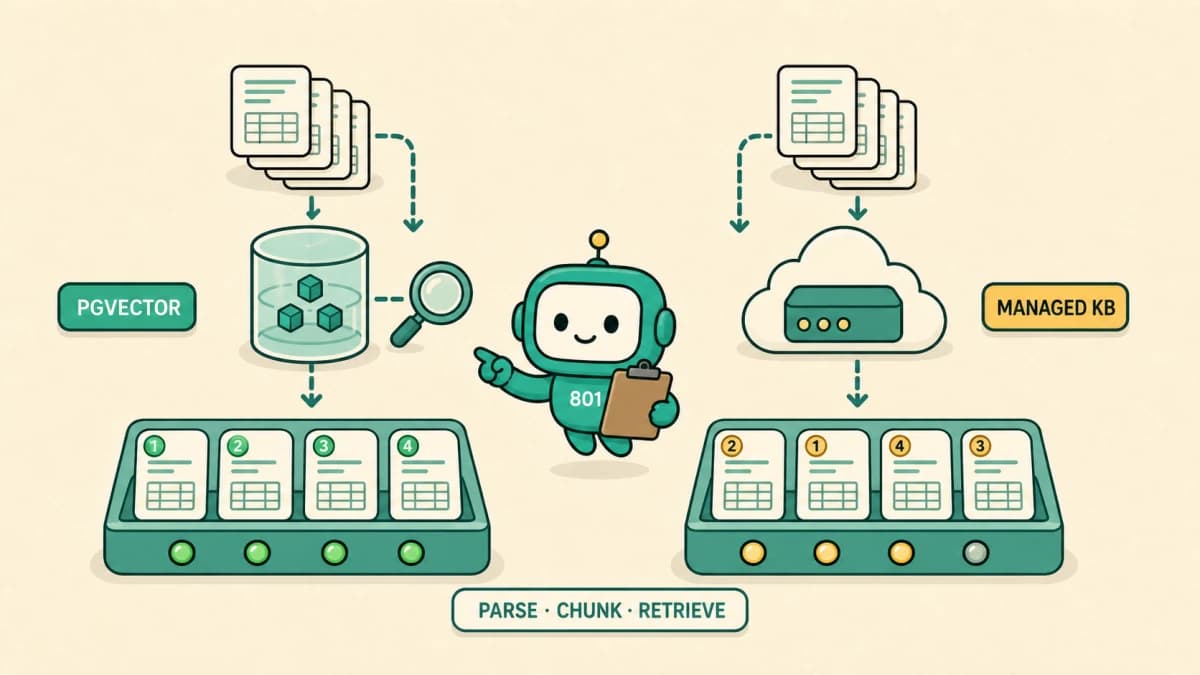 Did fully-managed RAG beat the pipeline we built?Engineering deep dives · Updated July 16, 2026We pit a hand-built pgvector pipeline against Amazon Bedrock's fully-managed Knowledge Base for a school-health advisory chatbot. On Korean table documents, what decided it?→
● COMMON QUESTIONS
Common engineering decision questions
Should we use managed RAG or build the retrieval stack ourselves?+
Compare operating capacity, data boundaries, retrieval control, and rate of change. Managed services can shorten the path to a first system; a custom stack can fit teams that need tighter control over retrieval behavior and cost.
Does ECH remove network control by encrypting SNI?+
It reduces visibility for intermediaries that inspect SNI, but it does not erase every control point. DNS, the CDN, application boundaries, and endpoint policy still need a coordinated design.
Does adding more tools make a system agent-ready?+
Tool count matters less than data access, permissions, task contracts, observability, and recovery. Build a safe operating boundary before granting an agent more actions.
RELATED SERVICE
See Data & ML Engineering when data pipelines, retrieval and generation, model serving, and monitoring must work as one production system.
Explore Data & ML Engineering →Put this work into practice.
An engineer reviews your environment and constraints first, then uses a 30-minute technical conversation when it helps define the execution scope.
● Already trusted by teams across finance · healthcare · media · public