● INSIGHTS
Application Modernization
Application modernization is not a wholesale rebuild in newer technology. It reconstructs dependencies across code, data, integrations, and delivery, then selects a treatment and phased transition path that makes the system changeable again.
● RECOMMENDED READING
From assessment to phased cutover and operations
Begin with the assessment and transition roadmap, continue to the NKS case for layer-by-layer implementation, then use the ownership article to decide who carries the next modernization wave.
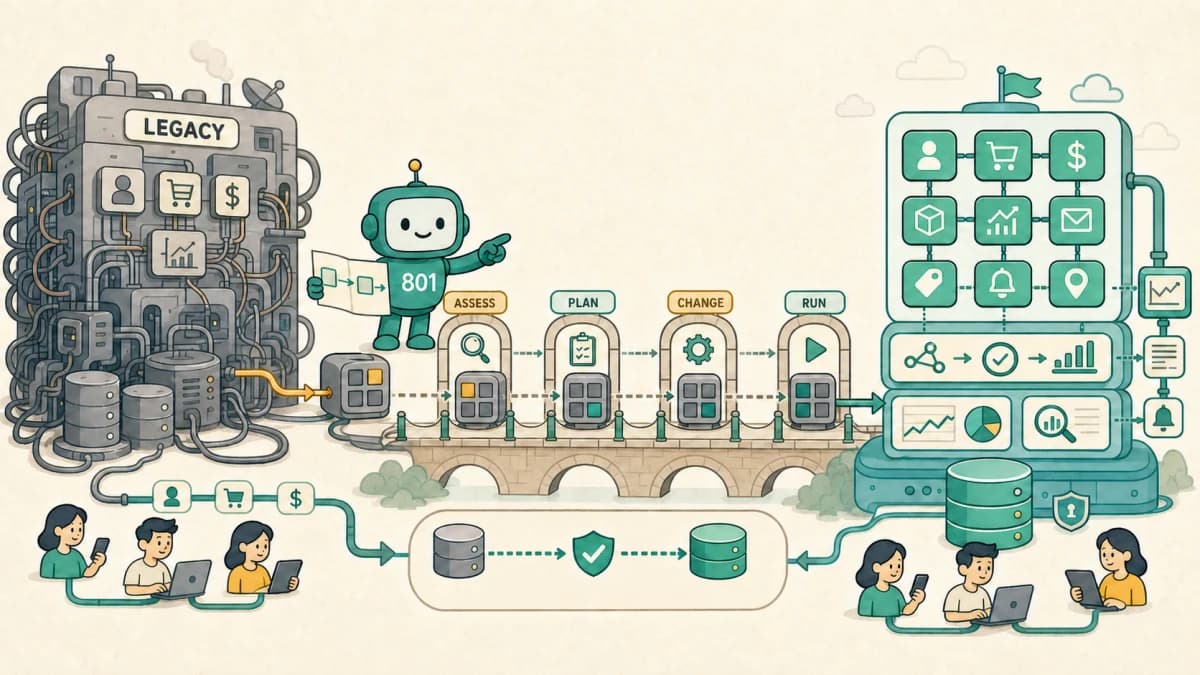 Where should application modernization start? Map the transition before the rewriteApplication Modernization · July 18, 2026A practical guide to modernizing legacy applications without a big-bang rewrite: assess the current estate, choose retain, replace, replatform, refactor, or rearchitect, then design phased cutover and outcome metrics.→
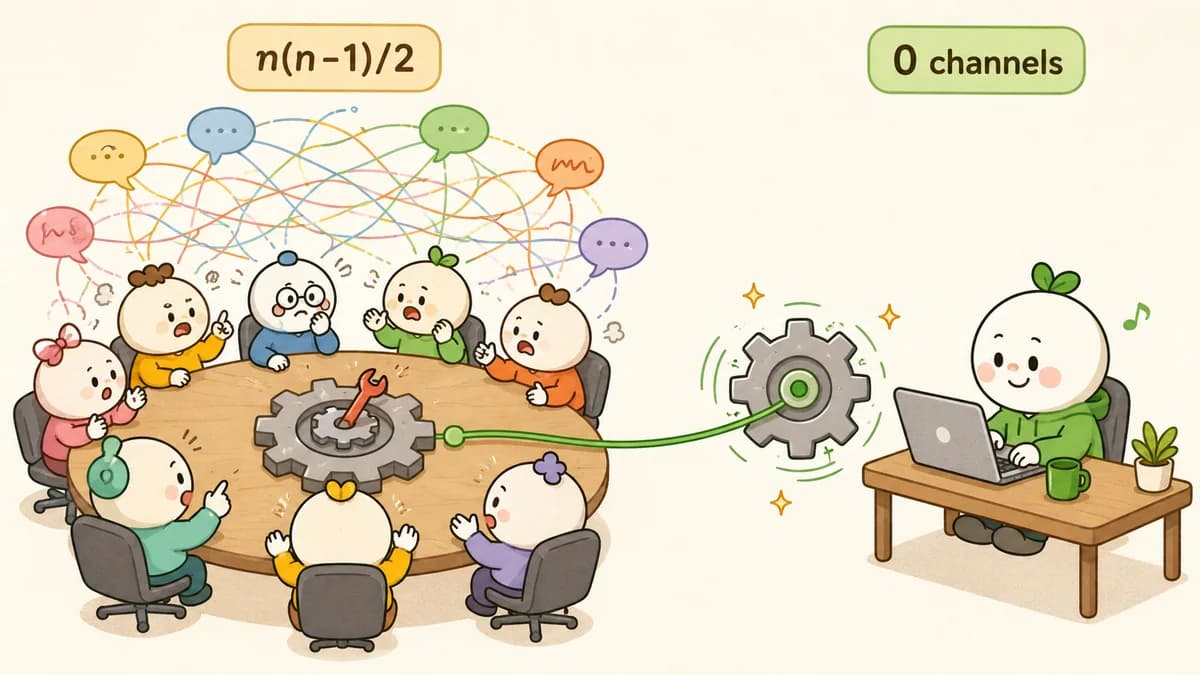 Why did one person fix in three days what eight people couldn't?Application Modernization · Updated July 16, 2026An eight-person SI project ended with core issues unsolved; alone, I fixed them in three days. Talent alone does not explain the gap, so I examine communication paths, diffused responsibility, decision structure, and the ownership gaps around re-architecture.→
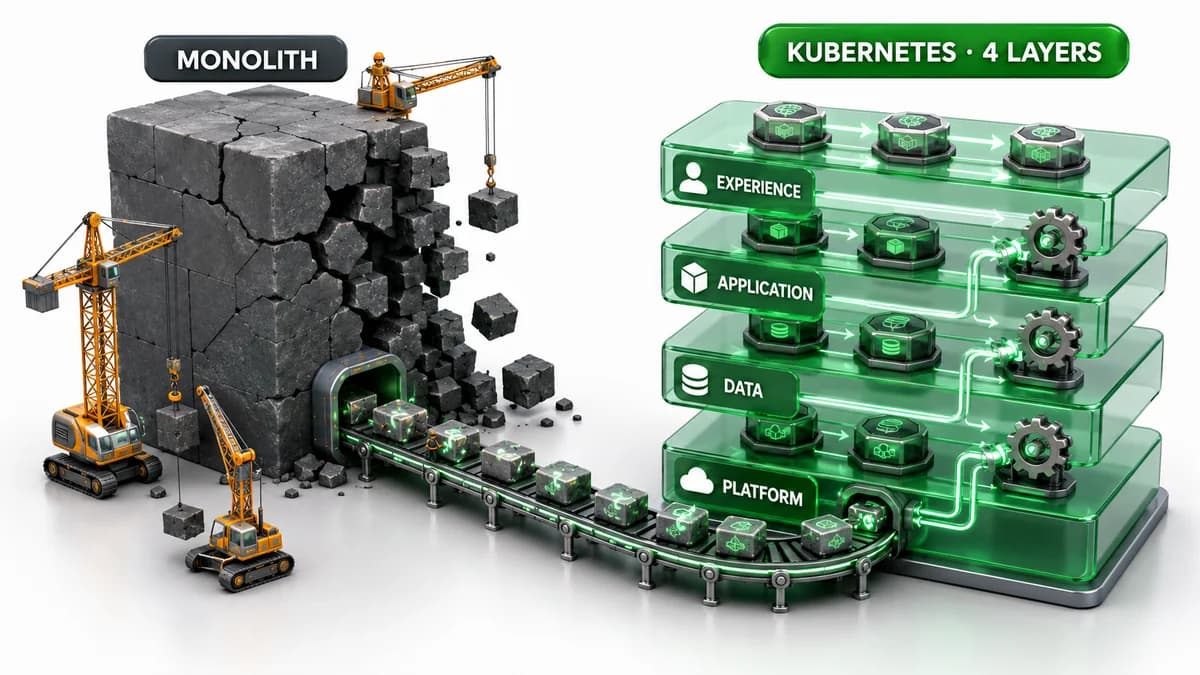 From a monolith to NKS: rebuilding the stack in four layersApplication Modernization · Updated July 16, 2026We moved a service locked into a single deployment and external CI onto NKS on Naver Cloud. How we split it into infrastructure, DB, API, and frontend — and made Git the single source of truth with Terraform, managed Cloud DB, and ArgoCD GitOps.→
● COMMON QUESTIONS
Common application modernization questions
Does modernization mean rebuilding the entire system?+
No. Classify components as retain, retire, replace, replatform, refactor, or rearchitect, then change only the necessary boundaries in phases.
Is modernization complete after moving to the cloud?+
A new runtime location can leave code and data coupling or delivery bottlenecks intact. Measure whether change cost and incident risk actually fall in operations.
Can modernization work when the service cannot stop?+
Yes. Put parallel operation, data synchronization, progressive traffic shifts, and rollback conditions into the intermediate architecture instead of relying on one cutover.
RELATED SERVICE
Explore Application Modernization for assessment across code, data, integrations, and delivery, followed by target and intermediate architectures and hands-on transition waves.
Explore Application Modernization →Put this work into practice.
An engineer reviews your environment and constraints first, then uses a 30-minute technical conversation when it helps define the execution scope.
● Already trusted by teams across finance · healthcare · media · public