● INSIGHTS
Regulation & compliance
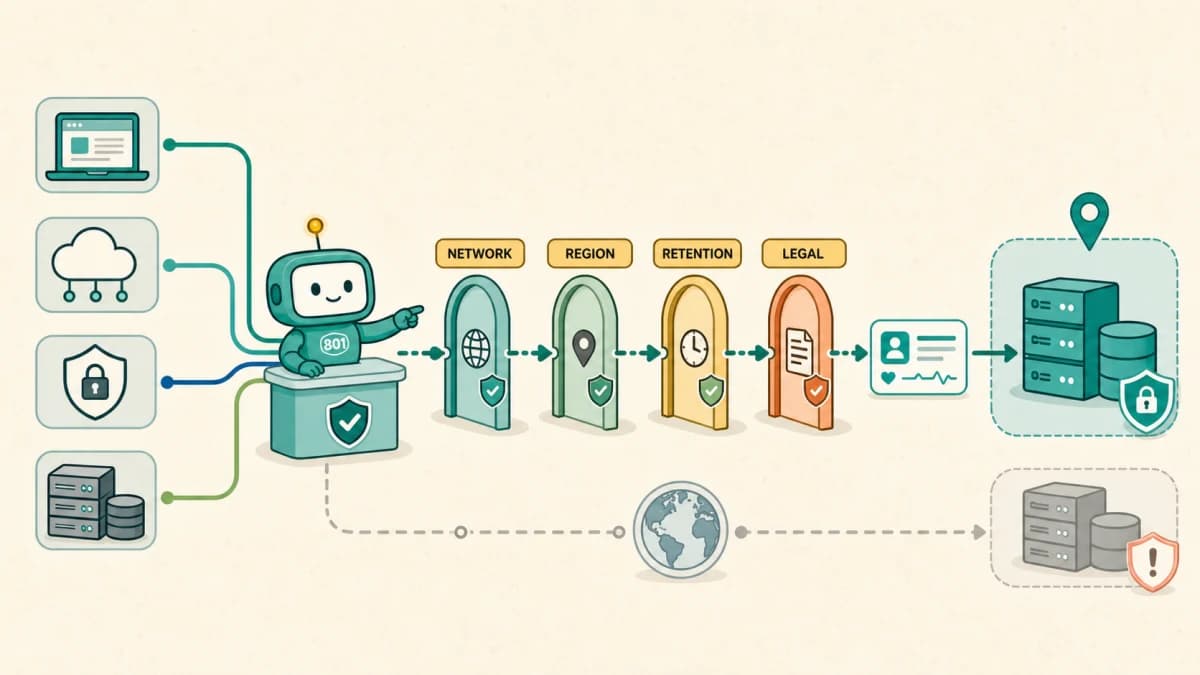
Compliance is a design and operating constraint, not paperwork saved for launch. This hub explains how to implement data boundaries, access control, audit evidence, and change management in the system itself.
● RECOMMENDED READING
Turn requirements into controls, then controls into evidence
Define scope and data flows first, map architecture controls and permission boundaries next, then connect logs, change records, and reviews into evidence that persists through operations.
● COMMON QUESTIONS
Common regulation and compliance questions
When should a compliance review begin?+
Begin while defining data flows and architecture boundaries. A review just before launch can force expensive changes to storage location, permissions, and logging.
Does a managed cloud service make the workload compliant by default?+
No. The provider may cover part of the infrastructure, but the customer still owns data classification, account configuration, access, encryption choices, and log operations.
Are policy documents enough for an audit?+
Policies must match working controls. Access records, change history, and review outcomes provide evidence that those controls kept operating over time.
RELATED SERVICE
Explore Cloud & Infrastructure when accounts, permissions, networks, logs, and IaC change management must become one operating baseline.
Explore Cloud & Infrastructure →Put this work into practice.
An engineer reviews your environment and constraints first, then uses a 30-minute technical conversation when it helps define the execution scope.
● Already trusted by teams across finance · healthcare · media · public